
Fireplace Safety Myths Busted: 5 Common Missteps Homeowners Make with Wood Fires
Fireplaces should be simple. The answer is yes, but there are still some things to consider when it comes to the “best” way to do things. A lot of what we hear and accept as “common wisdom” is actually outdated or just flat-out wrong. Even minor missteps can lead to smoke issues, damage, or even a chimney fire. Mercer County Chimney Service is the trusted local chimney company to guide you through your fire season, keeping safety at the top of the list.
Let’s take a look at the five biggest myths that need correcting.
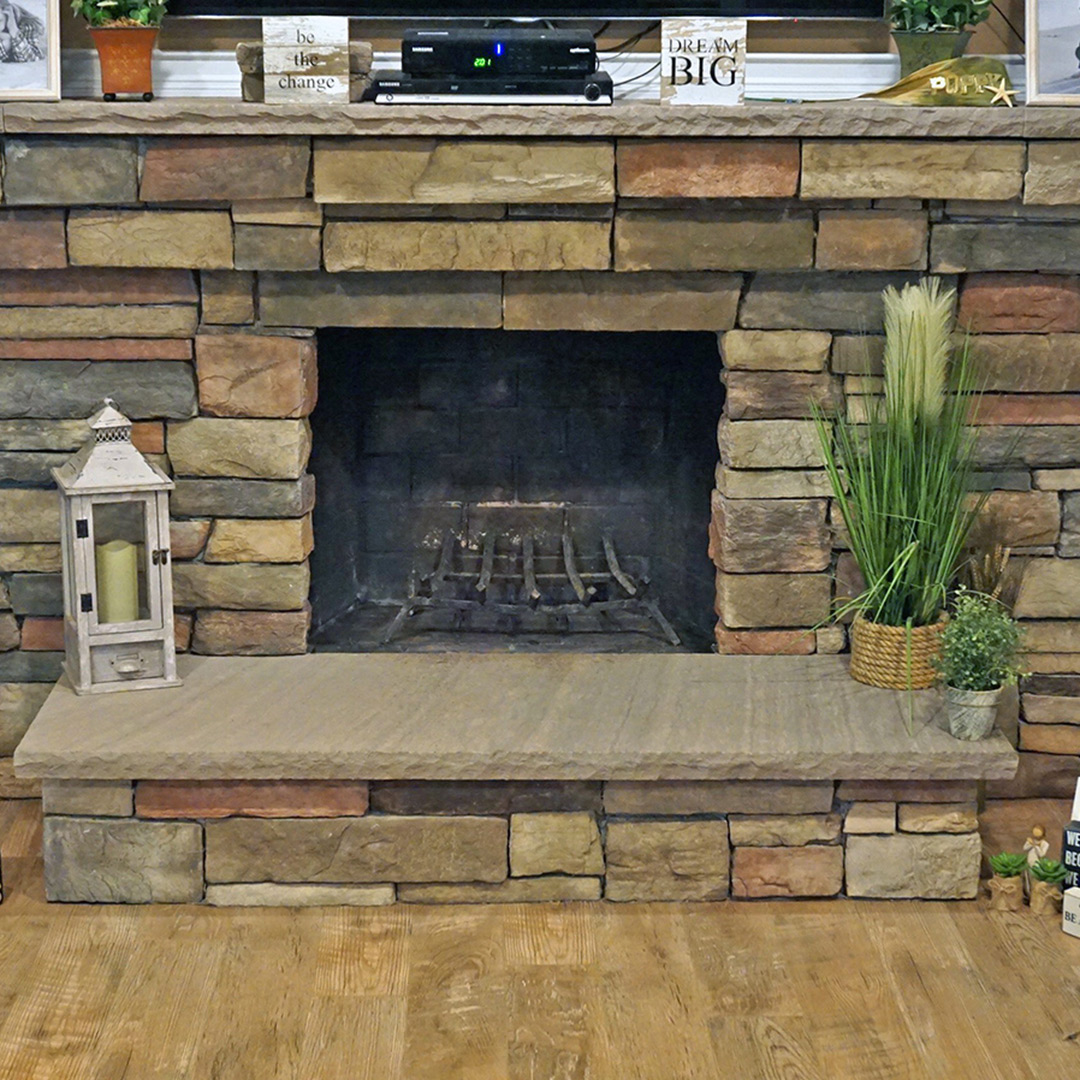 Myth #1: “The fire is lit, so my chimney must be fine.”
Not necessarily. Good flames and heat output are just the beginning and the surface-level indicator. It doesn’t necessarily mean a clean or completely safe chimney. One sticky variable is creosote buildup; it’s literally a tar-like byproduct of fires that is highly flammable. It’s essential to keep up with annual maintenance and chimney sweeps to ensure this is under control.
Myth #2: “Hardwood is the best wood, so I don’t need to sweep.”
Also False. You’re right that hardwood is the better choice compared to softwood, but it still produces and accumulates creosote. All wood-burning fireplaces need routine sweeping.
How do you know it’s hardwood?
Myth #3: “If it’s a small fire, there’s a small risk.”
False. Low, smoldering fires produce more creosote than big, efficient, hot fires. Under-ventilation is a key suspect in small fires, which can lead to more buildup due to excess smoke.
Tip: Make sure to arrange your firewood so there is airflow — this makes for a much better, less smoky fire.
Myth #4: “I use store-bought cleaning logs, so I’m all set for annual cleanings.”
Nope, also false. They sound great and do loosen light buildup, but they do not remove it altogether. Additionally, your annual cleaning offers more than just cleaning; it’s also an opportunity to have professional eyes on your structure to check for cracks, blockages, and other structural issues.
Myth #5: “The damper only matters when I’m starting a fire.”
You guessed it: false. Many homeowners think they can partially close it once the flames are going down. However, this increases creosote production and smoke. It’s not the ideal way to end a cozy, by-the-fire evening. It can even trap carbon monoxide, which is always a risk.
Tip: Keep your damper open until the flames and embers are completely extinguished.
 Let Mercer Ensure Ultimate Safety This Holiday Season
It’s easy to get swept up in the internet or word-of-mouth myths, but now you know a few of the top ones to look out for. Combating these myths and keeping up with annual chimney sweeps and maintenance helps you position yourself for a great, safe season. Mercer County Chimney Service can help homeowners keep their fireplace running safely all season long.